Genetics Evidence Introduction
What is Genetics?
Genetics is the scientific study inherited variation. Human genetics, then is the scientific study of inherited human variation.
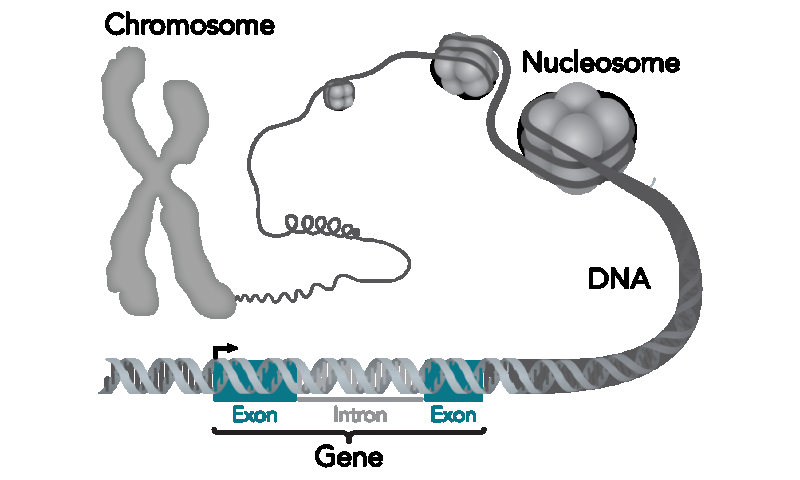
- The traits are described by the genetic information carried by a molecule called DNA.
- The instructions for constructing and operating an organism are contained in the organism’s DNA.
- Every living things on earth had DNA in its cells.
- A gene is a hereditary unit consisting of DNA that occupies a spot on a chromosome and determines a characteristic in an organism.
- Genes are passed on from a parent to a child and are believed by many to be an important part of what decides looks and behavior.
- Darwin’s theory of natural selection laid the groundwork for evolutionary theory.
- Mendel's experiments with peas led him to realise that heredity in sexual reproduction works by the mixing of separate factors, not by the blending of inherited characters.
- Mendel's combination of Darwin's theory and our current understanding of heredity led to the birth of the scientific area called "population genetics.
Why study human genetics? One simply reason is simply an interest better understanding ourselves. As a branch of genetics, human genetics concerns itself with what most of us consider to be the most interesting species on earth: Homo species. But there other interest in human genetics that does not stop at the boundaries of the species, for what we learn about human genetic variation and its resources and transmission inevitably contributes to our understanding of genetics in general.